Choosing the Right Tank for Your Bulk Oil Storage Needs
Understanding Bulk Oil Storage Systems
Overview of Bulk Oil Storage
Bulk oil storage systems play a crucial role in various industries, including automotive, manufacturing, and agriculture. They provide a centralized way to store lubricants and other oils in large quantities, allowing for efficient usage and management. These systems range from large tanks capable of holding thousands of gallons to smaller skids and 55-gallon drums designed for specific applications. The choice of storage system significantly impacts operational efficiency, safety, and compliance with regulations set by organizations like OSHA and the EPA. Properly designed and maintained bulk oil storage ensures consistent availability of lubricants and reduces the risk of contamination.
Types of Bulk Oil Tanks
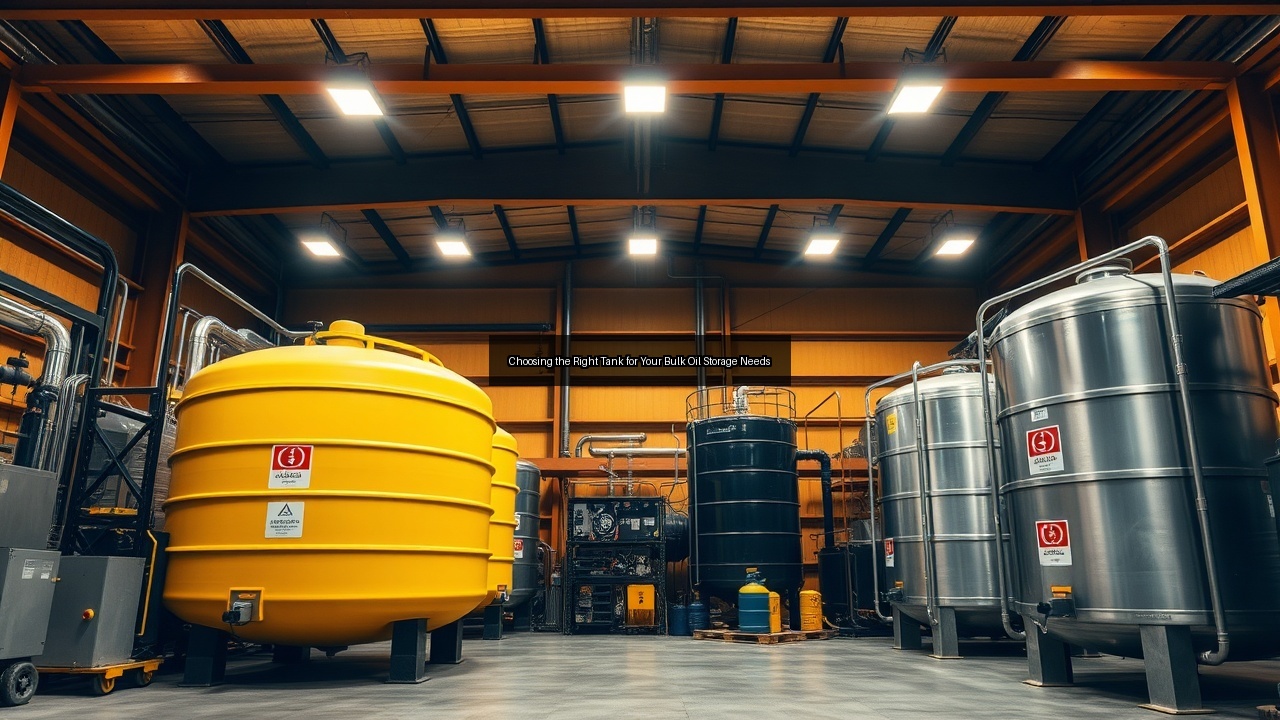
Bulk oil tanks come in several types, each tailored for specific needs. Above-ground tanks are popular for their accessibility and ease of monitoring, while underground tanks offer protection from environmental factors. Both options may be constructed from various materials, including polyethylene and steel. Polyethylene tanks resist corrosion and are lightweight, making them easy to install. Steel tanks, particularly welded ones, provide durability and can handle higher pressures. Understanding the types of tanks available helps in selecting the right system for your storage needs, ensuring that it meets both capacity and safety requirements.
Materials Used in Bulk Oil Tanks
The material of a bulk oil tank significantly influences its longevity and performance. Polyethylene tanks are favored for their resistance to chemicals, UV rays, and environmental wear. They are also less prone to rust, making them ideal for outdoor installations. On the other hand, steel tanks offer superior strength and can handle various environmental conditions. However, they require regular maintenance to prevent rust and corrosion. When selecting a tank, consider factors like the type of oil stored, environmental conditions, and the required regulatory compliance. Each material has its advantages and limitations, which can affect operational costs and safety.
Key Considerations for Choosing the Right Tank
Capacity and Size: From 55 Gallon Drums to Large Tanks
Choosing the right capacity and size for bulk oil storage is critical for operational efficiency. Smaller facilities may find 55-gallon drums sufficient for their lubrication oil needs, while larger operations often require storage tanks that can hold thousands of gallons. Assessing oil consumption rates is essential for determining the ideal tank size. An undersized tank can lead to frequent refills and interruptions, while an oversized tank might waste resources and space. Additionally, consider future growth; selecting a scalable solution can save costs in the long run. Proper capacity planning ensures that operations run smoothly without unnecessary delays in the supply of oils and lubricants.
Material Choices: Polyethylene vs. Steel
The choice between polyethylene and steel for bulk oil tanks hinges on various factors, including environmental conditions and the type of oils stored. Polyethylene tanks are lightweight and resistant to many chemicals, making them a popular choice for many operations. They are less susceptible to corrosion, ensuring longer service life and lower maintenance costs. Conversely, steel tanks deliver robust durability and can accommodate higher pressures, making them suitable for heavy-duty applications. However, they often require additional protective measures against rust, such as coatings or regular inspections. Balancing these factors is crucial for choosing the material that aligns with your operational needs and safety standards.
Regulatory Compliance: OSHA and EPA Standards
Compliance with OSHA and EPA standards is non-negotiable when it comes to bulk oil storage. These regulations dictate how to store and manage hazardous materials, ensuring worker safety and environmental protection. Facilities must adhere to guidelines on tank construction, spill containment, and maintenance protocols. Regular inspections and proper documentation are vital to demonstrate compliance. Failure to meet these standards can lead to fines and operational disruptions. Investing in compliant storage solutions not only ensures safety but also enhances the reputation of your business. Understanding these regulations helps businesses avoid legal pitfalls while promoting a culture of safety and responsibility.
Filtration and Dispensing Systems
Importance of Filtration in Bulk Oil Storage
Filtration is a critical component of bulk oil storage and dispensing systems, ensuring that lubricants remain clean and free from contaminants. Dirt, water, and other impurities can compromise the performance of lubrication oils, leading to equipment failure and increased maintenance costs. Implementing a robust filtration system helps to prolong the life of machinery and enhance operational efficiency. Regular maintenance of these filtration systems is essential to ensure they function optimally. This includes changing filters as needed and monitoring filter performance. Integrating effective filtration solutions into your bulk oil storage not only safeguards equipment but also optimizes lubrication, resulting in smoother operations.
Types of Dispensing Systems: Gravity Feed vs. Pneumatic
Bulk oil dispensing systems come in various forms, with gravity feed and pneumatic systems being the most common. Gravity feed systems rely on the force of gravity to dispense oil, making them simple and cost-effective. They are suitable for smaller operations or where minimal pressure is needed. Pneumatic dispensing systems, on the other hand, use compressed air to push oil out of the tank, providing greater control and efficiency. These systems are ideal for larger operations requiring fast and precise dispensing. Understanding the advantages and limitations of each system helps in selecting the most appropriate solution for your unique needs, ensuring efficient and reliable oil dispensing.
Maintenance and Safety Considerations for Dispensing Systems
Regular maintenance of bulk oil dispensing systems is essential for safety and efficiency. Routine checks on hoses, connectors, and pumps help prevent leaks and ensure optimal performance. Proper training for personnel on safe dispensing practices reduces the risk of accidents and spills. Implementing safety measures, such as emergency shut-off valves and spill containment systems, enhances workplace safety and compliance with regulations. Additionally, keeping detailed maintenance logs aids in tracking performance and identifying potential issues before they escalate. Prioritizing maintenance and safety in your bulk oil dispensing systems minimizes risks while maximizing operational efficiency.
Fire Safety and Environmental Impact
Fire Safety Measures for Bulk Oil Storage
Fire safety is paramount in bulk oil storage facilities due to the flammability of many lubricants and oils. Implementing comprehensive fire safety measures helps mitigate risks associated with oil storage. Facilities should include fire suppression systems, proper ventilation, and spill containment to prevent fire hazards. Regular fire drills and employee training are essential for ensuring that personnel are prepared in case of an emergency. Additionally, compliance with local fire codes and regulations is necessary to maintain safety standards. By prioritizing fire safety, businesses protect their assets and personnel while ensuring compliance with regulatory requirements.
Managing Waste Oil Effectively
Effective waste oil management is crucial for both environmental compliance and operational efficiency. Businesses must develop a clear strategy for collecting, storing, and disposing of waste oil. This includes using appropriate containers and ensuring they meet regulatory standards. Recycling waste oil can reduce disposal costs and provide a sustainable solution. Partnering with certified waste oil disposal companies ensures that waste is handled in compliance with EPA regulations. Implementing a waste oil management plan not only minimizes environmental impact but also enhances corporate responsibility and sustainability practices.
Best Practices for Environmental Compliance
Adhering to best practices for environmental compliance in bulk oil storage systems is essential for protecting natural resources and maintaining regulatory standards. Facilities should conduct regular audits to identify potential areas of non-compliance and implement corrective actions. Proper labeling and documentation of oil types and quantities stored help in tracking usage and ensuring compliance with regulations. Training employees on environmental policies and procedures fosters a culture of responsibility and awareness. By prioritizing environmental compliance, businesses not only avoid potential fines but also contribute to a cleaner, safer world.