Creating an Efficient Airflow Plan Through Strategic Duct Fabrication
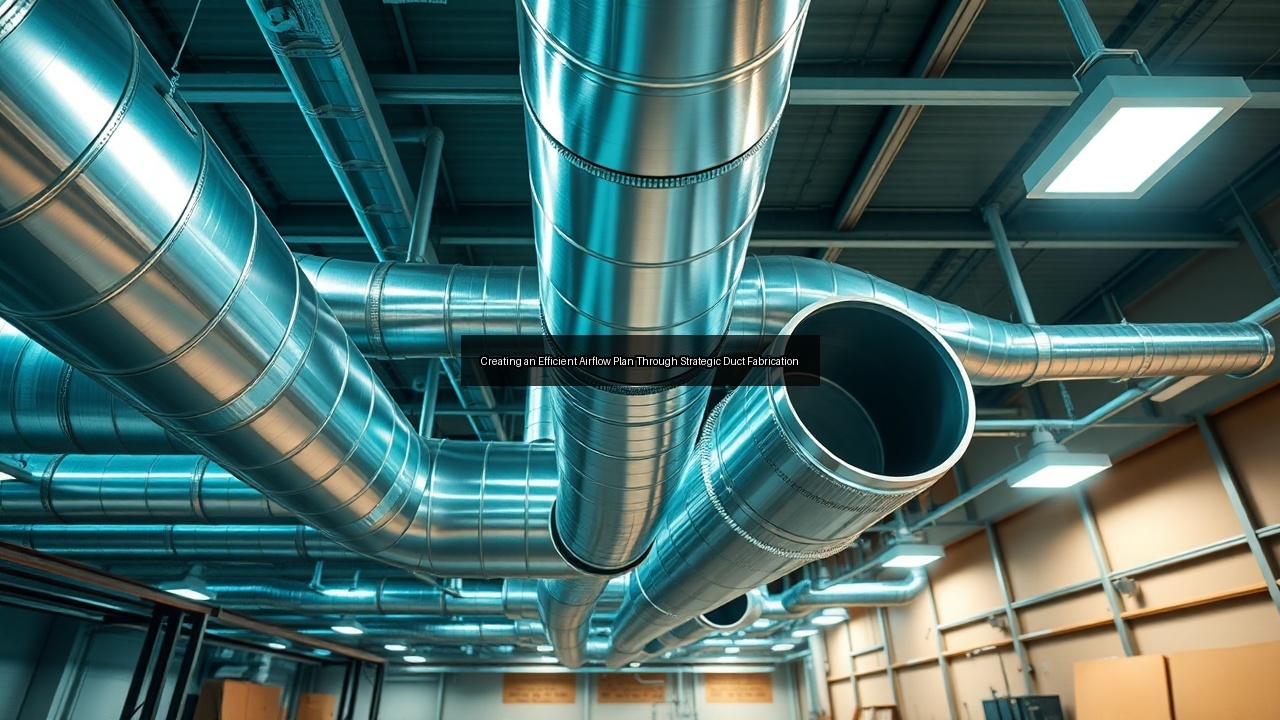
Understanding Ductwork Fabrication
The Importance of Duct Systems in HVAC
Duct systems serve as the lifeline of HVAC installations, facilitating the distribution of heated or cooled air throughout residential and commercial spaces. Efficient air distribution hinges on meticulously designed ductwork that promotes optimal airflow. When properly constructed, these ducts minimize energy loss and enhance indoor air quality, ensuring a comfortable environment. Poorly designed duct systems lead to uneven temperatures, increased energy consumption, and can even cause HVAC systems to work harder than necessary, resulting in quicker wear and tear. Investing in high-quality ductwork fabrication ultimately pays off through improved efficiency and prolonged equipment lifespan.
Key Materials Used in Duct Fabrication
Choosing the right materials for ductwork fabrication is crucial for the performance and durability of HVAC systems. Common materials include galvanized steel, aluminum, and flexible ducting. Galvanized steel offers strength and resistance to corrosion, making it ideal for commercial applications. Aluminum, being lightweight and resistant to rust, is often used in residential settings. Flexible ducts, made from a combination of plastic and wire, provide versatility for tight spaces and complex layouts. Each material has its advantages, and selecting the right one ensures that the duct systems can withstand varying temperatures and pressures while maintaining efficient airflow.
Common Duct Shapes and Their Applications
Ducts come in various shapes, each suited for specific applications. The most common shapes include rectangular, round, and oval ducts. Rectangular ducts are ideal for low-ceiling spaces, offering a compact solution that maximizes airflow efficiency. Round ducts provide smoother airflow with less resistance, making them preferable for larger spaces where air velocity is critical. Oval ducts, often used in retrofitting existing systems, combine the benefits of both shapes and can fit into tighter spots. Understanding the applications of these shapes aids in creating an effective ductwork system that meets the specific needs of any HVAC installation.
The Duct Fabrication Process
Step-by-Step Overview of Duct Manufacturing
The duct fabrication process involves several stages to ensure precision and quality. It typically begins with measuring and calculating the required duct lengths and sizes based on the HVAC system's design. Next, sheet metal is cut according to these specifications using advanced machinery. Following the cutting process, the fabrication involves forming the metal into the desired shapes, ensuring tight seams to prevent air leaks. After assembly, ducts undergo a thorough inspection before being coated or insulated as needed. Each step, from measurement to assembly, plays a vital role in producing high-quality ductwork that meets industry standards.
Quality Control in Ductwork Fabrication
Quality control is a cornerstone of ductwork fabrication. It ensures that every piece meets the required specifications for performance and safety. Manufacturers implement rigorous testing protocols at various stages of the fabrication process. This includes checking for leaks, verifying dimensions, and assessing the strength of joints and seams. Quality control measures prevent costly mistakes and guarantee that the air ducts can withstand operational pressures. Additionally, certified quality standards, such as those outlined by the Sheet Metal and Air Conditioning Contractors' National Association (SMACNA), guide fabricators in maintaining high-quality production practices. Adhering to these standards enhances reliability and customer satisfaction.
The Role of Technology in Modern Fabrication
Technology revolutionizes ductwork fabrication, introducing efficiency and precision into the manufacturing process. Computer-Aided Design (CAD) software allows engineers to create detailed duct designs that optimize airflow and fit seamlessly into existing HVAC systems. Automated machinery, such as CNC (Computer Numerical Control) machines, cuts and shapes materials with unmatched accuracy, reducing human error and waste. Advanced simulation tools can predict airflow dynamics within the duct systems, enabling better design choices before manufacturing begins. As technology continues to evolve, duct fabrication becomes faster and more efficient, meeting the demands of modern HVAC systems more effectively.
Designing an Efficient Airflow Plan
Calculating Duct Length and Size for Optimal Airflow
Calculating duct lengths and sizes is fundamental for achieving optimal airflow in HVAC systems. An accurate assessment begins with a load calculation, which considers factors such as space dimensions, insulation quality, and the specific heating or cooling needs. Tools like airflow calculators help determine the ideal duct size based on the CFM (Cubic Feet per Minute) necessary to maintain comfort levels. Oversized ducts can lead to wasted energy, while undersized ducts restrict airflow and can cause system strain. Therefore, precision in these calculations ensures the HVAC system operates efficiently, providing consistent temperatures throughout the space.
Strategic Placement of Air Ducts in HVAC Systems
Strategic placement of air ducts significantly impacts the efficiency of HVAC systems. Proper positioning ensures that conditioned air reaches all areas of a building uniformly. Ducts should be placed to avoid obstructions, such as walls or furniture, which can impede airflow. In addition, placing ducts closer to the areas they serve minimizes energy loss. For multi-story buildings, duct placement requires careful consideration to balance airflow between floors. Implementing a well-thought-out duct layout not only enhances comfort but also boosts the overall efficiency of the HVAC system, reducing energy costs in the long run.
Balancing Airflow for Comfort and Efficiency
Balancing airflow is essential for maximizing comfort and efficiency within HVAC systems. An unbalanced system can lead to hot or cold spots, causing discomfort for occupants. Techniques such as adjusting dampers and using zoning systems help regulate airflow effectively. Properly sized ducts enhance balance by distributing air uniformly throughout the system. Regular maintenance, including cleaning and inspecting ducts, ensures that airflow remains optimal over time. Balancing airflow not only improves comfort but also increases energy efficiency, as HVAC systems operate more effectively when air is distributed evenly throughout the space.
Choosing the Right Duct Fabrication Services
Evaluating Fabrication Services for Custom Ductwork
Selecting the right duct fabrication services is crucial for achieving high-quality custom ductwork. Start by evaluating a fabricator’s experience and expertise in HVAC systems. Look for companies that offer a range of materials and duct shapes to meet specific project needs. Assessing their previous work through client testimonials or case studies provides insight into their capabilities. Additionally, inquire about their manufacturing processes and quality control measures. A reputable fabrication service will prioritize precision and durability, ensuring that the ductwork will perform well in the long term, contributing to an efficient HVAC system.
Cost Considerations in Duct Fabrication
Cost plays a significant role in ductwork fabrication decisions. Various factors influence pricing, including materials, complexity of the design, and the size of the project. While it may be tempting to opt for the lowest bid, consider long-term value over immediate savings. Higher-quality materials and fabrication processes can lead to lower maintenance costs and improved energy efficiency. When budgeting for duct fabrication, account for installation and potential future upgrades. A well-planned investment in ductwork can yield substantial returns through enhanced performance and reduced energy bills.
Future Trends in Ductwork and HVAC Innovations
The future of ductwork and HVAC systems holds exciting innovations. Advances in smart technology are transforming how HVAC systems operate, with automated controls optimizing airflow based on real-time data. Energy-efficient duct designs and materials are emerging, aimed at reducing energy consumption and improving indoor air quality. Additionally, the integration of sustainable practices in duct fabrication, such as using recycled materials, is gaining traction. Industry trends indicate a shift toward modular duct systems, which allow for easier installation and adaptability in changing environments. Embracing these trends not only enhances performance but also aligns with growing environmental standards.