The Future of Hazardous Location Motors in Pulp and Paper Industries
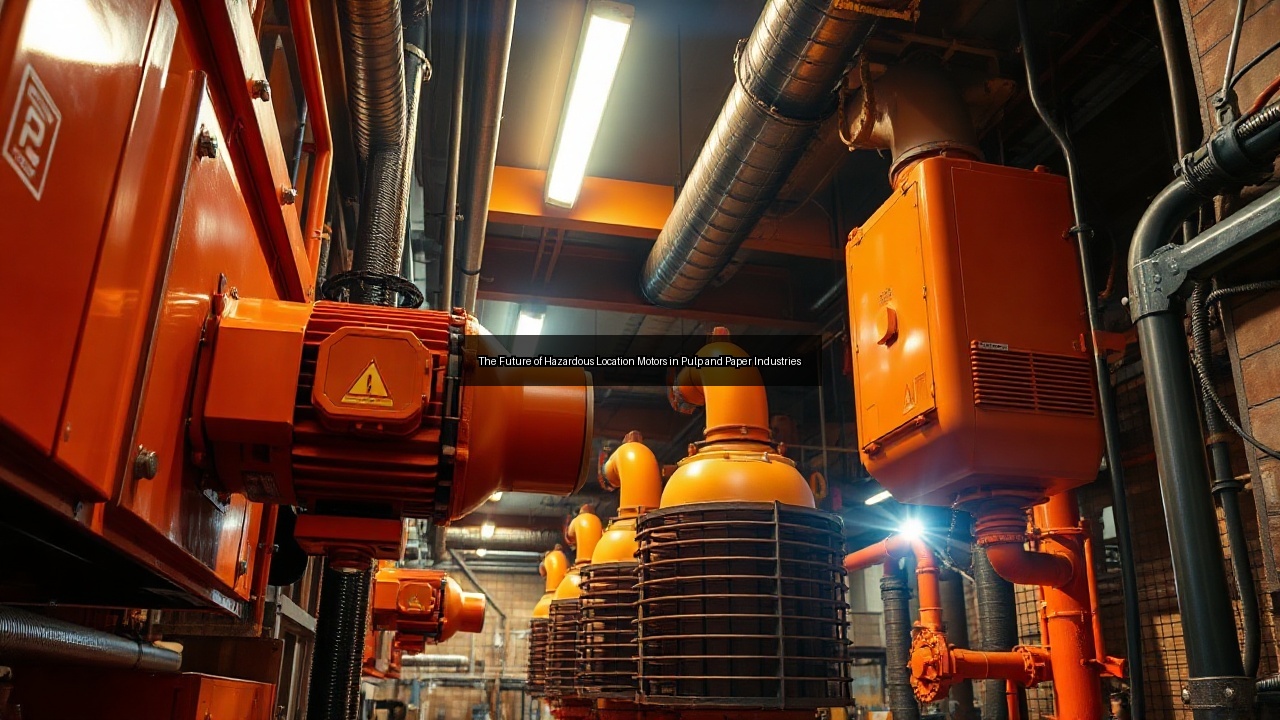
Understanding Hazardous Location Motors in the Pulp and Paper Industry
The Role of Hazardous Location Motors
Hazardous location motors play a vital role in the pulp and paper industry, where various processes involve flammable vapors and liquids. These specialized motors are designed to operate safely within environments classified as hazardous due to the presence of gas, dust, or other ignition sources. Using these motors ensures that the infrastructure of a plant remains operational while minimizing risks associated motors for hazardous location with explosions or fires. Their robust design, combined with compliance to specific safety standards, makes them essential for maintaining productivity in challenging conditions.
Challenges Faced in Hazardous Environments
Operating in hazardous locations presents numerous challenges. Factors such as temperature fluctuations, high humidity, and the presence of corrosive substances can affect the performance and lifespan of standard motors. Additionally, the risk of ignition from sparks or overheating necessitates stringent safety protocols. The complexity of integrating hazardous location motors often requires a deep understanding of both the working environment and the specific mechanical demands of pulp and paper production. Continuous monitoring and maintenance are crucial to ensure these motors function effectively without compromising safety. electric motor for dangerous locations
Key Specifications: NEMA Ratings and Their Importance
NEMA ratings, developed by the National Electrical Manufacturers Association, serve as a critical benchmark for hazardous location motors. These ratings classify motors based on their ability to withstand specific environmental conditions, including exposure to various gases, vapors, and dusts. Understanding NEMA ratings helps manufacturers and plant operators choose the right motor for their applications. For instance, a higher NEMA rating signifies enhanced protection against ignition, making it crucial for motors used in volatile environments like pulp and paper mills. This knowledge safeguards personnel and protects valuable equipment, ensuring compliance with industry regulations.
Technological Innovations Shaping the Future
Advancements in BLDC Motors
Brushless DC (BLDC) motors are revolutionizing the operation of hazardous location motors in the pulp and paper industry. These motors offer enhanced efficiency and longevity compared to traditional brushed motors. BLDC motors exhibit superior torque and better thermal management, reducing the risk of overheating in hazardous environments. Their electronic control allows for precise speed adjustments, which can optimize processes within cooling towers and gas compressors. As energy efficiency becomes increasingly paramount, the adoption of BLDC technology in hazardous applications will likely grow, driving sustainability in pulp and paper production.
Integration of Data Analytics in Motor Performance
Utilizing data analytics in monitoring hazardous location motors transforms how industries approach maintenance and efficiency. Sensors embedded in these motors collect real-time performance data, enabling predictive maintenance strategies that reduce downtime and repair costs. Analyzing this data helps identify potential issues before they lead to failures, which is particularly important in hazardous locations where safety is paramount. Plant operators can optimize motor performance based on frequency and load parameters, ensuring that motors operate within their ideal performance ranges. This innovative approach enhances operational efficiency while safeguarding personnel.
The Impact of Frequency and Dimensions on Efficiency
The frequency and dimensions of hazardous location motors significantly influence their efficiency and performance. Motor designs tailored to specific frequencies can enhance their operational capabilities, allowing for better energy consumption and reduced thermal stress. In the pulp and paper industry, where large-scale operations demand high reliability, understanding the interplay between motor dimensions and application requirements is crucial. Selecting the right size and frequency ensures that the motor performs optimally, reducing the likelihood of failure in demanding conditions. This attention to detail fosters a safer and more productive working environment.
Applications and Use Cases
Utilizing Motors in Cooling Towers and Gas Compressors
Cooling towers and gas compressors are critical components in pulp and paper production, where maintaining optimal temperature and pressure is essential. Hazardous location motors are specifically designed to meet the rigorous demands of these applications. In cooling towers, these motors ensure that water circulation remains efficient, even in environments laden with moisture and potential contaminants. Similarly, gas compressors rely on robust motors to handle the pressures and hazards associated with gas transport and processing. By employing specialized motors in these applications, companies can enhance operational reliability and ensure compliance with safety regulations.
Performance in Pulp and Paper Processing
Performance in pulp and paper processing hinges on the reliability of hazardous location motors. These motors power various equipment, including pulping machines, paper-making machines, and conveyors. Each of these components operates in challenging settings where exposure to dust, moisture, and chemicals is routine. Selecting the appropriate hazardous location motor ensures that production processes run smoothly while mitigating risks. For instance, motors must withstand the abrasive nature of pulp fibers and the corrosive properties of chemicals, making the choice of materials and design critical to success in the industry.
Safety Considerations for Vapors and Liquids
Safety remains a paramount concern when dealing with hazardous location motors in environments rich in vapors and liquids. Properly designed motors minimize the risk of ignition by containing electrical components and preventing sparks. Implementing safety features such as explosion-proof enclosures or intrinsic safety measures protects both the equipment and the workforce. The understanding of how vapors and liquids interact with motor materials is crucial in selecting the right equipment. Continuous education on safety protocols and regular maintenance checks further enhance the safety of operations in these hazardous environments.
Maintenance, Warranty, and Distribution Insights
Importance of Warranty and Repair Services
A solid warranty and access to reliable repair services are essential for maintaining hazardous location motors. Given the critical role these motors play in operations, a comprehensive warranty ensures that companies can address unexpected failures without incurring significant costs. Furthermore, timely repair services minimize downtime, which is crucial in the fast-paced pulp and paper industry. Establishing relationships with manufacturers that offer robust warranty options and efficient repair services can lead to long-term operational success and safety.
Selecting the Right Distributor for Hazardous Location Motors
Choosing the right distributor for hazardous location motors impacts safety and performance. A reputable distributor should have extensive knowledge of NEMA ratings and the specific requirements of electric motors for dangerous locations. Their expertise allows them to recommend suitable products that meet regulatory standards while addressing the unique demands of the pulp and paper industry. Building a partnership with a knowledgeable distributor enhances the likelihood of obtaining reliable motors that perform safely and efficiently, ensuring that plants can operate without compromising safety.
Behavior of Single Phase Motors in Hazardous Locations
Single phase motors have unique behaviors in hazardous locations that warrant careful consideration. While they are often more straightforward motors for hazardous location to implement, their efficiency and performance can vary based on the environment. In hazardous settings, the risk of overheating and failure increases, necessitating proper installation and maintenance practices. Understanding the specific applications where single phase motors excel, such as motors for hazardous location in smaller pumps or fans, allows for better operational planning. A thorough assessment of the environment and motor specifications can lead to safer and more effective use of single phase motors in pulp and paper mills.