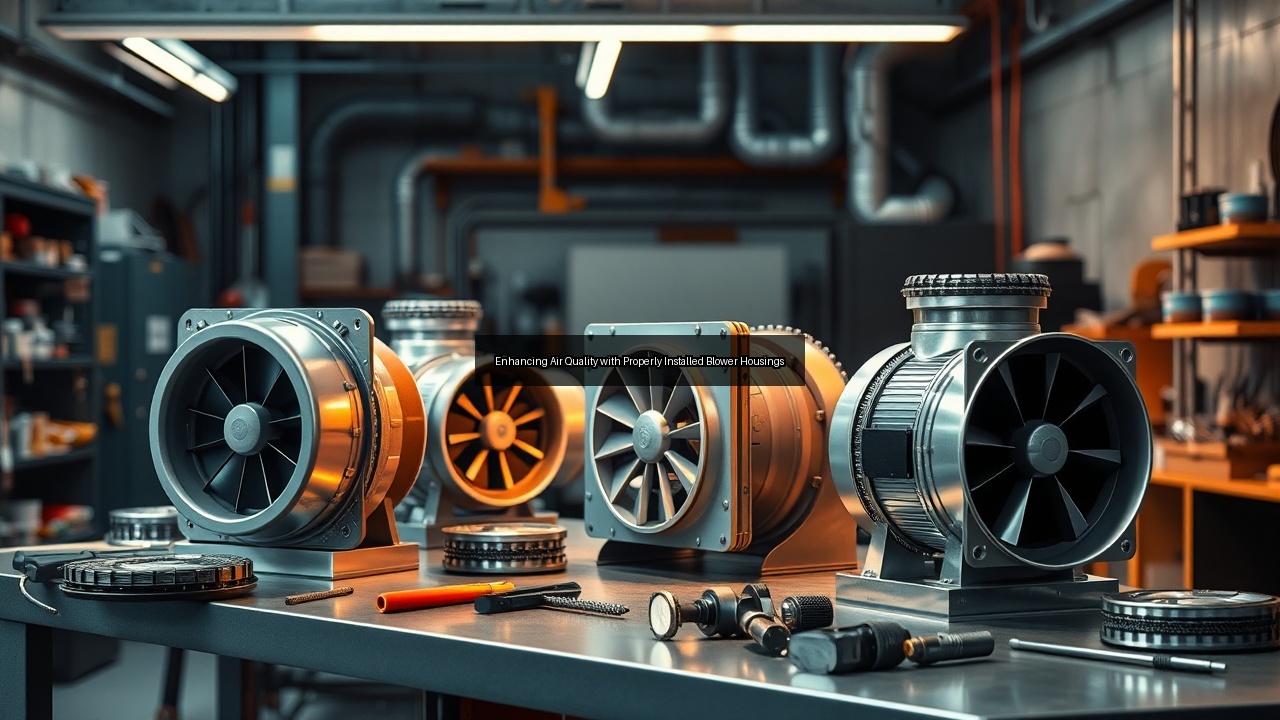
Enhancing Air Quality with Properly Installed Blower Housings
Understanding HVAC Blower Housings
What is a Blower Housing?
HVAC blower housing serves as the protective enclosure that directs airflow from blower fans through the furnace or air conditioner. This component channels air efficiently across coils and filters to maintain consistent circulation. Technicians recognize that a properly fitted HVAC blower housing prevents leaks and turbulence that reduce system performance. The housing typically features a sturdy metal cage design that contains the rotating assembly and shields internal parts from debris. When installers align the HVAC blower housing correctly, the entire HVAC system delivers cleaner air to living spaces. Homeowners notice fewer dust particles and better temperature control once this element integrates seamlessly with existing ductwork. Selecting the right size ensures the blower motor operates without strain while supporting optimal air volume. Proper fit also minimizes noise during operation and protects against moisture buildup in humid climates.
The Role of Blower Fans in HVAC Systems
Blower fans pull air into the HVAC system and push it through heating or cooling elements before distribution. These fans connect directly to the HVAC blower housing, which shapes and accelerates the airflow path. Without balanced blower fans, pressure drops occur and leave rooms with uneven temperatures. The fans spin at variable speeds to match demand, and the surrounding housing maintains directional control so air reaches every vent. In both residential furnaces and commercial air conditioners, blower fans handle large volumes daily, making their alignment with the HVAC blower housing critical. Regular inspection reveals worn blades that reduce efficiency and increase energy use. When technicians replace blower fans, they verify that the new units seat correctly inside the housing to restore full capacity. This coordination improves indoor air quality by ensuring filters capture more contaminants before air circulates again.
Components of Blower Housing Assembly
The blower housing assembly includes the outer cage, motor mount, inlet ring, and discharge opening that together form a complete airflow pathway. Inside sits the blower wheel attached to the motor shaft, supported by a durable ball bearing that reduces friction during continuous rotation. Installers must secure every piece so the HVAC blower housing remains airtight along seams. The assembly also incorporates vibration dampeners that limit noise transfer through ductwork. Quality versions use galvanized steel to resist corrosion from condensate in air conditioner applications. Each part contributes to overall performance, and any misalignment creates turbulence that lowers air quality. Technicians check the ball bearing condition during service calls because failure here stops the entire blower assembly. Replacement kits often include updated gaskets that restore a tight seal and prevent conditioned air from escaping into attics or crawl spaces.
Benefits of Proper Installation
Improved Air Quality and Flow
Correct installation of the HVAC blower housing immediately boosts airflow volume and direction, allowing filters to trap more allergens and particulates. When the housing aligns precisely with the blower motor, air moves smoothly without bypassing the air filter. This setup reduces indoor dust accumulation and helps sensitive individuals breathe easier. Homeowners report fresher rooms and fewer odors once the system pushes air evenly through every duct. Proper sealing around the HVAC blower housing prevents unfiltered outside air from entering the stream. The result appears in lower allergen counts measured by home test kits. Technicians measure static pressure before and after installation to confirm the improvement. Consistent flow also keeps coils cleaner longer, which maintains dehumidification performance during summer months and prevents mold growth inside the equipment.
Energy Efficiency and Cost Savings
A well-installed HVAC blower housing reduces motor workload because air encounters less resistance inside the assembly. Lower resistance allows the blower motor to run at reduced amperage while still meeting thermostat settings. Homeowners see measurable drops in monthly utility bills once the system operates at designed efficiency levels. The savings compound over time as the motor avoids overheating from restricted airflow. Energy-conscious users pair the upgraded HVAC blower housing with variable-speed motors that adjust output automatically. These combinations prevent short cycling and extend run times at lower power draws. Utility rebate programs often cover part of the upgrade cost when documentation shows improved system performance. Accurate installation also eliminates hot or cold spots that force the HVAC system to work overtime to compensate.
Extending the Lifespan of HVAC Components
Properly mounted HVAC blower housing protects the blower motor and wheel from excessive vibration and debris impact. Stable mounting reduces wear on the ball bearing and prevents premature motor failure. Furnaces and air conditioners last longer when internal airflow remains balanced and free of turbulence. Technicians document cases where neglected housings caused early replacement of expensive blower assemblies. The housing cage also shields wiring and capacitors from accidental damage during filter changes. Regular alignment checks keep the entire HVAC system running within manufacturer specifications for years beyond average service life. Owners who invest in correct installation avoid emergency repairs during peak seasons. This proactive approach preserves warranty coverage and maintains resale value of the property through documented maintenance records.
Key Factors in Choosing Blower Housings
OEM vs. Aftermarket Options
OEM HVAC blower housing units match original equipment dimensions exactly, ensuring drop-in compatibility with existing furnace or air conditioner models. These parts carry precise engineering tolerances that aftermarket versions sometimes miss. Aftermarket options often cost less yet require careful measurement to confirm fit. Installers prefer OEM when the original housing shows wear because the replacement restores factory airflow characteristics. Aftermarket cages sometimes include upgraded coatings that resist rust better in coastal environments. Homeowners should compare motor mounting hole patterns before purchase to avoid additional modifications. Both choices improve air quality when installed correctly, but OEM parts guarantee the ball bearing and wheel balance remain identical to the original design. Warranty departments accept OEM documentation more readily during claims processing.
Brand Considerations and Reliability
Reputable brands design HVAC blower housing products with reinforced seams and precision-formed inlet rings that maintain performance under continuous operation. Established manufacturers test their blower housings against vibration standards that lesser-known suppliers often skip. Feedback from technicians highlights brands that supply consistent metal thickness and accurate weld placement. These details prevent air leaks that degrade system efficiency over time. Choosing a recognized brand also ensures replacement parts remain available years after initial installation. Homeowners gain peace of mind knowing the HVAC blower housing will support the blower motor without unexpected distortion. Reliability matters most in regions with extreme temperatures where the HVAC system runs nonstop. Brand reputation directly influences long-term satisfaction and maintenance costs.
The Importance of Ball Bearings in Performance
High-quality ball bearings inside the blower motor support smooth rotation of the wheel within the HVAC blower housing. These bearings reduce heat buildup and noise while allowing the motor to maintain rated speed. Inferior bearings fail quickly under load and cause the entire assembly to vibrate against the housing walls. Technicians replace bearings during preventive maintenance to avoid complete motor burnout. Proper lubrication intervals depend on the bearing type specified by the manufacturer. When homeowners select HVAC blower housing kits, they should verify that included motors contain sealed ball bearings rated for continuous duty. This specification directly affects noise levels and energy consumption. Reliable bearings keep the blower fans operating quietly and efficiently, preserving air quality improvements achieved through correct housing installation.
Maintenance and Troubleshooting
Common Issues with Blower Motors and Housings
Blower motors inside HVAC systems often fail when the housing accumulates dirt that restricts airflow and overheats the windings. Misaligned HVAC blower housing seams create whistling sounds and pressure imbalances that stress the motor. Technicians frequently encounter stripped mounting holes that allow the assembly to shift during operation. Worn ball bearings produce grinding noises that signal immediate replacement needs. Corrosion on the cage weakens structural integrity and allows air to escape before reaching the filters. Homeowners notice reduced airflow from vents when these issues develop. Addressing them early prevents secondary damage to the furnace heat exchanger or air conditioner evaporator coil. Regular visual inspections reveal loose fasteners or debris buildup before performance declines noticeably.
How to Clean and Replace Air Filters
Technicians recommend checking the air filter monthly and replacing it every 30 to 90 days depending on household conditions. A clogged filter forces the blower motor to work harder against increased resistance inside the HVAC blower housing. Users shut off power to the system before sliding out the old filter and inserting the new one in the correct orientation. Cleaning reusable filters involves vacuuming or rinsing according to manufacturer instructions. Proper filter maintenance keeps the blower housing interior cleaner and extends motor life. Homeowners who track replacement dates avoid emergency service calls caused by neglected filters. This simple step maintains the air quality gains delivered by a correctly installed HVAC blower housing and ensures consistent airflow throughout the living space.
Feedback from Users: Real-world Experiences
Users consistently report quieter operation and stronger airflow after replacing an older HVAC blower housing with a properly sized unit. Several homeowners noted reduced allergy symptoms once the new housing eliminated bypass leaks around the air filter. Technicians share feedback about cases where aftermarket housings required extra sealing tape to achieve OEM-level performance. Many appreciate brands that include detailed installation templates that speed up the process. Real-world experiences also highlight the value of checking the ball bearing condition during every filter change. Users who followed recommended maintenance schedules enjoyed years of reliable service from their furnace and air conditioner. This collective feedback reinforces the connection between correct HVAC blower housing installation and measurable improvements in indoor comfort and air quality.
Warranty Considerations and Long-term Care
Understanding Warranty Terms
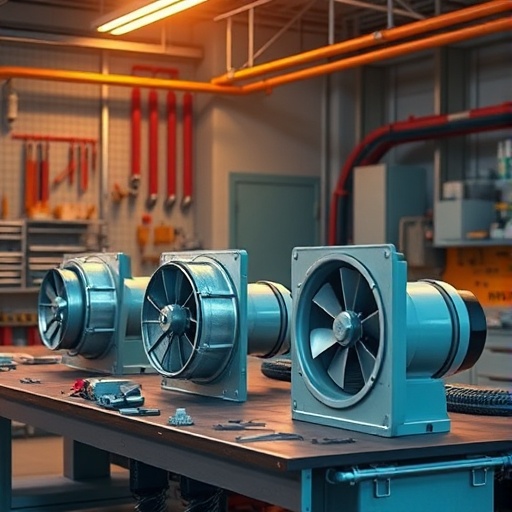
Manufacturer warranties for HVAC blower housing products typically cover defects in materials and workmanship for five to ten years. Coverage requires proof of professional installation and adherence to scheduled maintenance. Homeowners must retain receipts and service records to validate claims. Some warranties exclude damage caused by improper filter replacement or neglected ball bearing lubrication. Reading the fine print reveals exclusions related to corrosion in harsh environments. Understanding these terms helps owners protect their investment in the furnace or air conditioner. Warranty documents often specify approved OEM replacement parts that maintain coverage. Technicians advise clients to register products immediately after installation to activate full protection periods.
The Impact of Proper Installation on Warranty Claims
Correct installation of the HVAC blower housing directly influences whether warranty claims succeed. Manufacturers inspect for signs of improper mounting or missing seals before approving repairs. Documentation from certified technicians strengthens the claim by confirming adherence to specifications. Claims often fail when photos show gaps between the housing and ductwork that allowed moisture intrusion. Proper torque on mounting bolts and verified motor alignment demonstrate professional workmanship. Owners who skip these steps risk denial even for legitimate defects. Warranty departments request before-and-after static pressure readings that prove the installation restored designed performance. Following manufacturer guidelines during initial setup preserves coverage and avoids costly out-of-pocket repairs later.
Best Practices for Ensuring Longevity of Blower Systems
Annual professional inspections keep the HVAC blower housing and blower motor in peak condition. Technicians lubricate ball bearings when applicable and tighten all fasteners to prevent vibration damage. Homeowners maintain clear access to the air filter compartment for regular changes. Scheduling service before peak seasons prevents unexpected downtime during extreme weather. Recording model numbers and installation dates simplifies future parts ordering. These practices protect the entire HVAC system and sustain the air quality improvements achieved through precise housing installation. Consistent care extends equipment life well beyond average expectations and reduces lifetime ownership costs. Owners who adopt these habits experience fewer breakdowns and maintain steady comfort levels year after year.